

The Moment Everything Changed
Three years ago, ordering a THC drink at your local bar was a fantasy. Today, it's Tuesday night. The legal landscape shifted so dramatically in 2026 that hemp-derived THC drinks went from niche curiosity to mainstream staple faster than anyone predicted.
The tipping point wasn't gradual. It was sudden, decisive, and it caught the alcohol industry completely off guard. What started as scattered state legislation became federal clarity, and that clarity opened floodgates.
Federal Clarity Finally Arrives
For years, hemp-derived THC drinks existed in a legal gray area that kept most people away. The 2018 Farm Bill legalized hemp, but left questions about derived products unanswered. State by state approaches created confusion. Some places embraced THC beverages, others banned them outright.
Then 2026 brought the Hemp Clarity Act. Federal legislation that explicitly defined hemp-derived THC drinks as legal nationwide, provided they meet specific testing and dosage standards. No more guessing. No more checking state laws before crossing borders with your favorite 10mg THC social tonic.
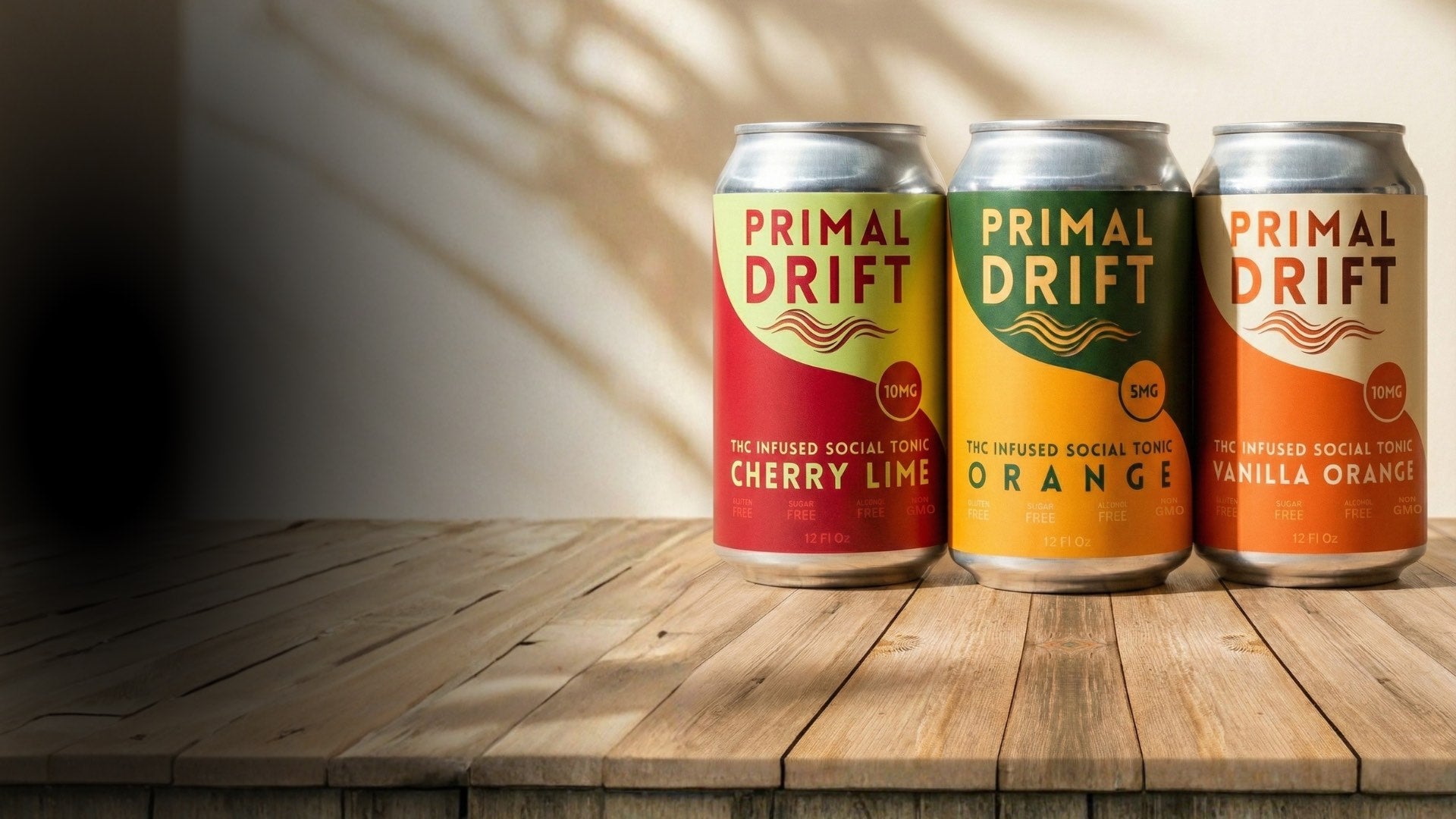
The legislation set clear parameters: hemp-derived products containing less than 0.3% delta-9 THC by dry weight, with total THC content not exceeding 15mg per serving for beverages. Clean, consistent standards that manufacturers could build around and consumers could trust.
Why Now Made Perfect Sense
The timing wasn't accidental. Several forces converged to make 2026 the year everything shifted.
Public opinion had already turned. Polls showed 68% of adults supported legal access to low-dose THC products. The sober curious movement was gaining serious momentum. People wanted alternatives to alcohol but weren't ready to give up social rituals entirely.
State tax revenue told the story. Colorado and California were generating hundreds of millions from cannabis products. Other states watched that money flow and wanted their share. Federal legalization meant every state could participate without navigating complex interstate commerce issues.
The alcohol industry's response was telling. Instead of fighting the legislation, major brands started quietly acquiring hemp THC companies. They saw the writing on the wall and wanted position before the rush.
The Ripple Effects Hit Fast
Legal clarity unleashed innovation. Within months, THC drinks moved from head shops to grocery stores. Bars started offering THC social tonics alongside craft cocktails. Restaurants added cannabis pairings to wine lists.
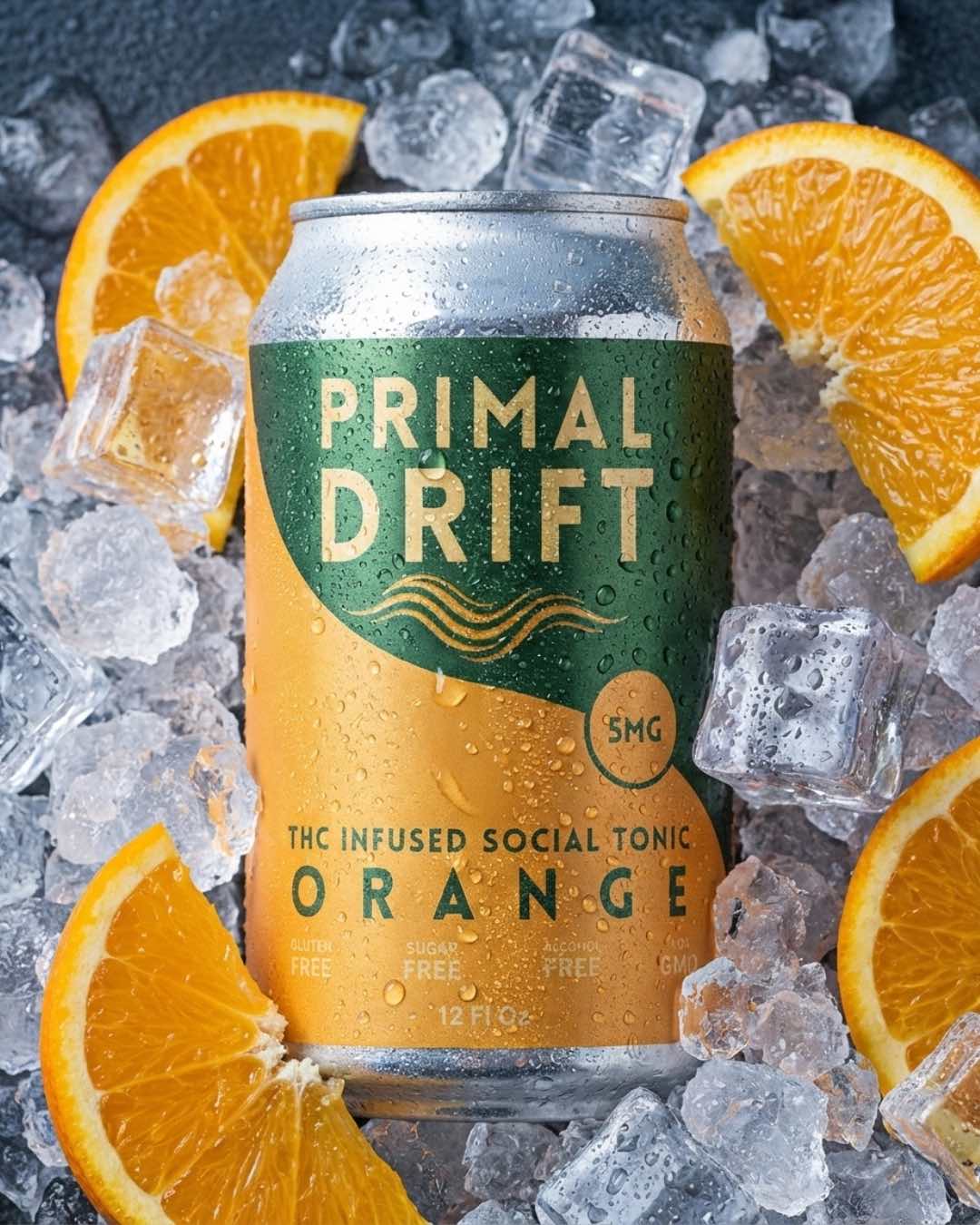
Distribution networks expanded overnight. FedEx and UPS began shipping THC beverages. Amazon started carrying hemp-derived drinks. What once required a trip to a dispensary became as accessible as ordering coffee online.
Quality standards improved dramatically. Federal oversight meant consistent testing, clear labeling, and predictable effects. No more wondering if your drink contained 5mg or 15mg. No more sketchy products with unknown ingredients.
The Consumer Shift Nobody Expected
Market research predicted gradual adoption. Reality looked different. THC drink sales jumped 340% in the six months following federal legalization. More telling: alcohol sales dropped 8% in the same period among the 25-35 demographic.
The reason became clear quickly. Hemp-derived THC drinks offered something alcohol couldn't: a clean buzz without the consequences. No hangover. No brain fog. No regrets about things said or done while impaired.
Social media amplified the shift. Posts about waking up fresh after a night out with friends started trending. People shared stories about feeling present at parties instead of progressively losing control. The hashtag cleanBuzz gained millions of uses.
Regional Differences Disappeared
Before 2026, your location determined your options. West Coast cities had selection. Rural areas had nothing. Federal legalization erased those disparities.
Small towns started carrying THC drinks at gas stations. Conservative states that had resisted cannabis suddenly had legal hemp beverages in every grocery chain. Geographic barriers to access vanished practically overnight.
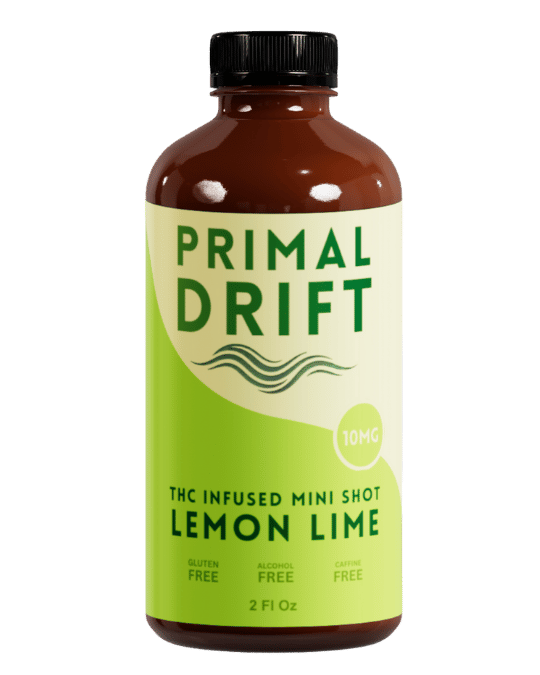
This democratization mattered. Someone in North Carolina could now access the same quality THC shots as someone in Denver. National brands could operate nationally instead of navigating 50 different regulatory frameworks.
The Business Impact Was Immediate
Investment flooded the space. Venture capital firms that had avoided cannabis due to federal illegality suddenly funded hemp THC startups. Public companies could finally enter the market without risking federal prosecution.
Manufacturing scaled rapidly. Beverage companies repurposed existing facilities for THC production. Supply chains that took years to build in legal states emerged in months once federal barriers disappeared.
Marketing restrictions loosened significantly. Social media platforms began accepting ads for hemp-derived THC products. Traditional advertising channels opened up. Brands could finally tell their stories without speaking in code.
What Changed for Consumers
Choice expanded exponentially. Pre-2026, most markets offered maybe three THC drink options. Post-legalization brought dozens of brands with hundreds of products. Different dosages, flavors, onset times, and effects became standard.
Pricing normalized. Competition drove costs down while quality went up. Premium THC beverages that once cost $15 each dropped to $6-8. Mass market options emerged at $3-4 per drink.
Social acceptance accelerated. THC drinks moved from counterculture to culture. People brought them to dinner parties, wedding receptions, and work events. The stigma that lingered for decades dissolved in months.
The Generational Divide
Age patterns in adoption were stark. Adults under 40 embraced THC drinks immediately. Those over 50 remained skeptical initially but warmed up as safety data accumulated and social proof mounted.
The middle ground was interesting. 35-45 year olds who had sworn off alcohol due to hangovers found THC beverages offered the social connection they missed without the next-day consequences they couldn't handle.
Parents especially appreciated the control aspect. They could have a drink at a backyard barbecue and still feel capable of handling kid emergencies. Something impossible with alcohol after the second beer.
Industry Predictions That Missed
Analysts expected gradual, regional rollouts. Instead, national availability happened within quarters. They predicted niche market penetration. Instead, mainstream adoption occurred immediately.
The biggest miscalculation involved alcohol industry response. Predictions suggested fierce resistance and lobbying against THC legalization. Instead, major alcohol companies pivoted quickly, launching their own hemp beverage lines or acquiring existing brands.
Consumer behavior models also proved wrong. Research suggested THC drinks would primarily attract existing cannabis users. Reality showed the biggest adopters were people seeking alcohol alternatives, many with no prior cannabis experience.
Looking Forward
The legal landscape stabilized faster than anyone anticipated. By late 2026, hemp-derived THC drinks felt as normal as craft beer did a decade earlier. Regulatory frameworks matured. Consumer education improved. Safety profiles became well-established.
What started as a legal shift became a cultural one. THC drinks didn't just become legal everywhere. They became accepted everywhere. The conversation moved from whether they should be available to which ones taste best and work most effectively.
Three years later, it's hard to remember what all the fuss was about. Hemp-derived THC drinks are simply another beverage option. One that happens to help you feel good, stay present, and actually remember the night.
The legal landscape changed everything. But more importantly, it gave people permission to choose something better.