

The Legal Landscape That Changed Everything
Three years ago, walking into a convenience store and finding THC drinks on the shelf would have been unthinkable. Today, it's reality in 48 states across America. The shift happened quietly, then all at once.
Hemp-derived THC beverages occupy a unique legal space that most people don't fully understand. While cannabis remains federally illegal, these drinks flow through a specific regulatory pathway that makes them accessible to millions of Americans who were previously locked out of legal cannabis experiences.
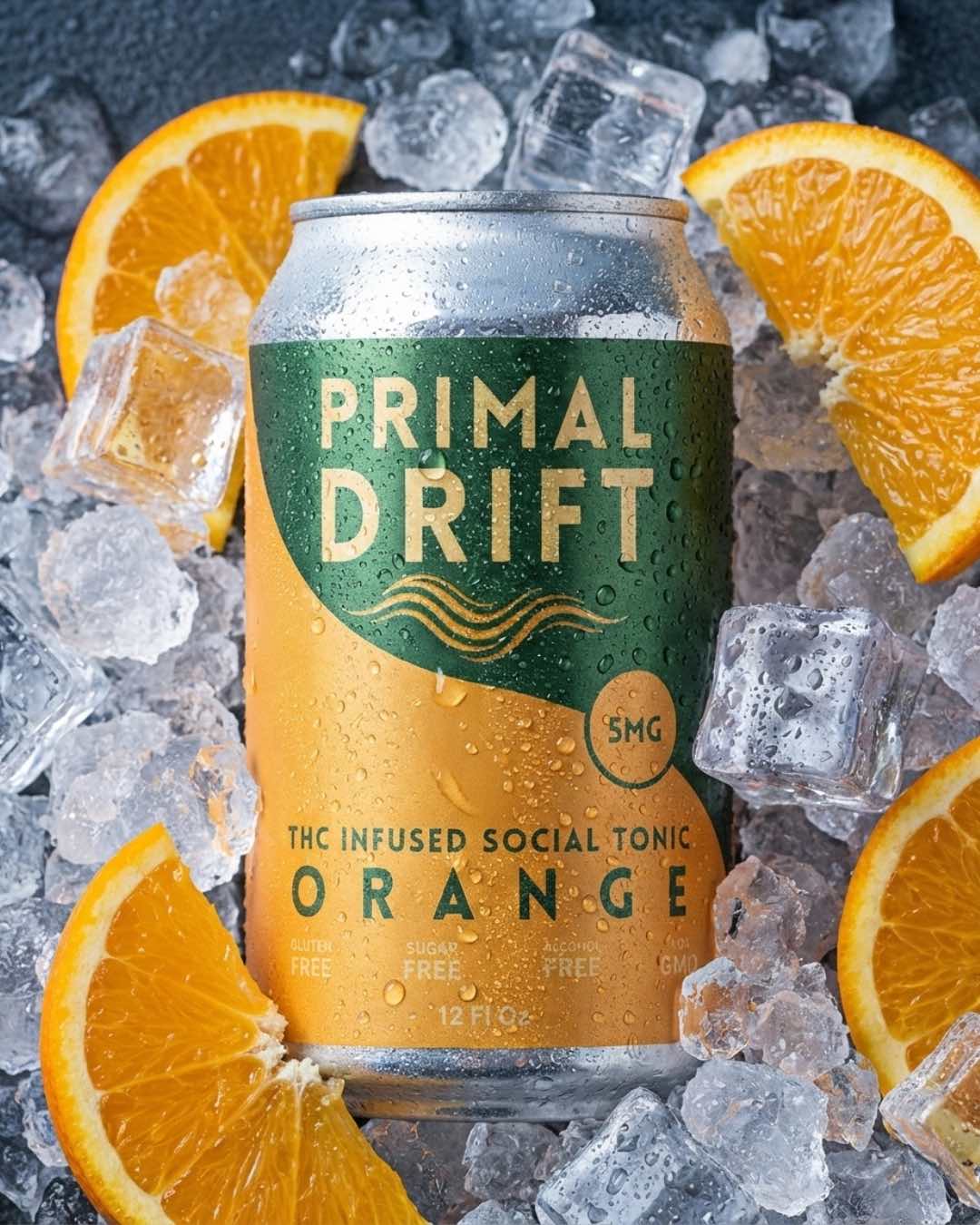
The foundation comes from the 2018 Farm Bill, which legalized hemp and hemp-derived products containing less than 0.3% delta-9 THC by dry weight. This seemingly technical detail created a massive opportunity for beverage companies to craft drinks that deliver the social effects people want while staying within federal guidelines.
How the 0.3% Rule Works for Beverages
The magic happens in the math. A 12-ounce can of liquid weighs significantly more than the small amount of THC it contains. This weight differential allows beverage makers to include up to 10mg of delta-9 THC while staying under the 0.3% threshold.
Think about it this way: a 12-ounce beverage weighs roughly 340 grams. To stay legal, the THC content must represent less than 0.3% of that total weight. This creates space for meaningful doses that actually feel like something, unlike the barely-there amounts you might expect from such strict regulations.
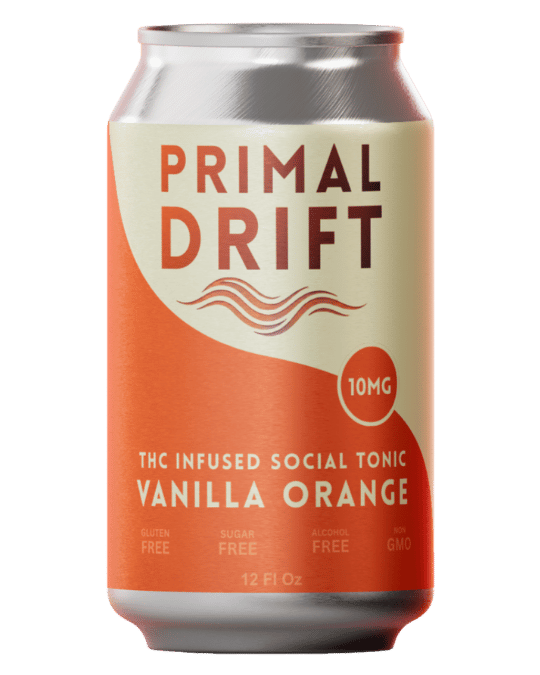
This isn't a loophole. It's the law working exactly as written. Hemp-derived THC drinks like our Vanilla Orange Social Tonic contain 10mg of naturally derived delta-9 THC that provides a clean, predictable experience without crossing any legal lines.
State-by-State Legal Status in 2026
As of 2026, hemp-derived THC beverages are legal in 48 states. Only Idaho and Nebraska maintain full prohibition on these products, though both states continue to face pressure from neighboring states where these drinks are readily available.
Most states treat hemp THC drinks the same as other hemp products. You can buy them at licensed retailers, convenience stores, and online. Some states require specific labeling or have age restrictions, but the fundamental legality remains consistent.
States like California, Colorado, and Washington that have robust recreational cannabis programs initially created separate regulations for hemp beverages. Over time, most have streamlined their approach, recognizing that hemp THC drinks serve a different market than traditional cannabis products.
The key difference lies in accessibility. While recreational cannabis requires licensed dispensaries, hemp THC beverages can be sold through conventional retail channels. This expanded access has driven massive growth in the category.
Federal Agencies and Ongoing Regulation
The FDA continues to evaluate hemp-derived THC products, including beverages. While they haven't issued comprehensive guidance specific to drinks, they've generally taken a hands-off approach to products that clearly fall within the Farm Bill framework.
The USDA oversees hemp cultivation and processing, ensuring that source materials meet federal standards. This creates a supply chain accountability that didn't exist in the early days of hemp legalization.
The DEA has clarified that synthetically derived THC remains controlled, but naturally extracted hemp THC falls outside their jurisdiction when it complies with the Farm Bill. This distinction matters for beverage companies sourcing their ingredients.
Why Beverages Became the Breakthrough Format
Hemp THC drinks succeeded where other formats struggled because they feel familiar. People understand beverages. They know how to dose them, share them, and incorporate them into social settings.
The liquid format also allows for better bioavailability than many edibles. Most hemp THC beverages start working within 15-30 minutes, creating a more predictable experience that feels closer to alcohol than traditional edibles.
From a regulatory standpoint, beverages faced fewer hurdles than smokable hemp products, which many states restricted despite federal legality. Drinks don't raise the same public use concerns or youth access issues that often complicate cannabis policy.

The social aspect can't be overlooked. THC beverages fill a specific cultural role that other cannabis products don't address. They offer an alternative to alcohol that works in the same social contexts where people traditionally drank.
What This Means for Consumers
Legal hemp THC drinks represent the first time most Americans can access cannabis effects without navigating dispensary systems, medical programs, or legal gray areas. The barrier to entry essentially disappeared overnight.
For people questioning their relationship with alcohol, these beverages offer a direct substitute. Same social ritual, different substance, better next day. The legal clarity removes the anxiety that often accompanies cannabis use in prohibition states.
Quality control also improved dramatically. Legal hemp beverages must meet food safety standards and provide accurate labeling. Consumers know exactly what they're getting, which wasn't always true in unregulated markets.
The Business Impact
Hemp THC beverage sales reached $2.8 billion in 2025, with projections pointing toward $8 billion by 2028. This growth stems directly from legal accessibility across most of the country.
Traditional beverage companies entered the space aggressively. Major distributors now carry hemp THC products alongside conventional drinks. This mainstream acceptance accelerated consumer adoption beyond what anyone predicted in 2023.
The legal framework also attracted serious investment and talent. Companies could build legitimate businesses without the compliance complications that plague state-licensed cannabis operators.
Looking Forward: What's Next for Hemp THC Drinks
Federal cannabis reform could eventually impact hemp beverages, but most industry experts expect the current framework to remain stable. Hemp THC drinks have found their regulatory niche and are thriving within it.
Innovation continues around new formulations, flavors, and dosing options. Companies are exploring different cannabinoid combinations and faster onset times. The focus has shifted from proving legality to perfecting the experience.
Consumer education remains the biggest challenge. Many people still don't understand that hemp THC drinks are legal or how they work. As awareness grows, so does the market.
The next few years will likely bring consolidation as larger companies acquire successful brands. We're already seeing major beverage corporations launch their own hemp THC lines or partner with existing players.
Why This Matters Now
Hemp-derived THC drinks represent more than just a legal technicality. They've created the first truly national cannabis beverage market in American history. People in Texas can drink the same products as people in Vermont, legally and without worry.
This accessibility is changing how Americans think about cannabis. When you can buy THC drinks at the corner store, the substance loses much of its taboo status. It becomes another option for social relaxation, just like wine or beer.
For millions of people tired of alcohol's downsides but unwilling to give up social drinking entirely, hemp THC beverages offer something genuinely new. A way to feel good, stay present, and remember the night. All completely legal in 48 states and counting.
The legal landscape will continue evolving, but hemp THC drinks have already secured their place in American beverage culture. They're not going anywhere.